When heating must be turned on in Andorra and what the law actually requires
Clear overview of when heating must be on in Andorra, how the law applies to rental properties and which obligations fall on landlords.
 Elysium Consulting
Reading time: 6–8 minutes
Can I require the heating to be turned on?
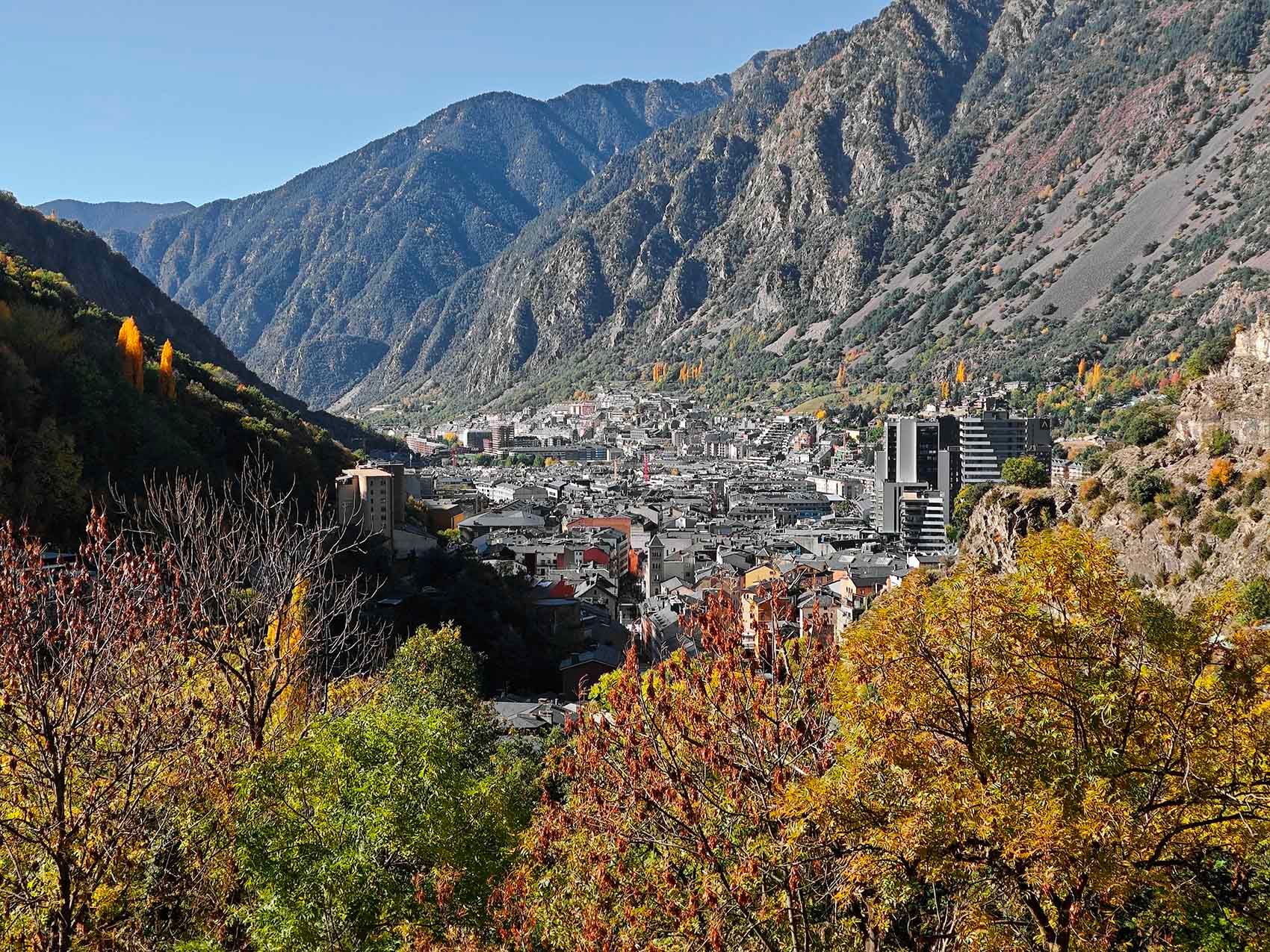
Heating is essential in Andorra, especially in higher-altitude areas such as the upper parishes (Canillo, La Massana, Ordino), where the cold lasts for much of the year.
Even so, most residents are unsure whether they can demand that the heating be kept on at all times. While this may seem like a minor issue for some — particularly for those who control the heating themselves — this is not the case for everyone else. For this reason, a recurrent question arises: is there a general legal obligation to switch it on during certain periods?
The answer is straightforward: there is no universal obligation, but there is a very specific rule that applies to rental properties when heating is included as a service.
This article clarifies what the law says and how it works in practice, both for landlords and tenants.
Is there a general obligation to turn on the heating?
No. No energy, habitability or co-ownership regulation establishes a mandatory timetable applicable to all buildings in the country.
This means that:
- Homeowners’ associations decide freely when to turn on the heating.
- There is no official heating-on or heating-off date for all of Andorra.
- Altitude or climate, by themselves, do not oblige the community to activate it.
However, everything changes when there is a rental contract and heating is included.

When the obligation does exist: rental contracts with heating included
The Urban Leases Act establishes a specific regime when three conditions are met:
- the property is rented,
- heating is an included service,
- and the contract does not set operating dates.
If these three circumstances coincide, Article 23.a of the Urban Leases Act applies automatically and sets the following mandatory calendar depending on the building’s altitude:
- 1 November to 30 April: buildings below 1,200 m
- 15 October to 15 May: between 1,200 and 1,400 m
- 1 October to 31 May: above 1,400 m
In all cases, heating must be operating between 6:00 and 24:00.
These dates apply by default: if the contract says nothing, the law imposes them.
Who is bound by this rule?
The obligation falls exclusively on the landlord, not on the homeowners’ association.
🔹 The landlord’s responsibility
When heating is an included service, the landlord must guarantee its functioning within the legally established periods.
In such cases, the landlord cannot rely on problems with the community, the boiler or the shared system. If the community fails to turn on the heating, the responsibility still lies with the landlord.
The purpose of the rule is clear: to protect the tenant, considered the most vulnerable party in the contractual relationship.
🔹 What can a tenant claim if the obligation is not fulfilled?
In case of non-compliance, the tenant may:
- formally request the service,
- seek a proportional reduction of the rent,
- claim damages,
- and, in serious cases, terminate the contract.

Is the homeowners’ association obliged to turn on the heating?
This is a common confusion, and the answer is categorical: NO.
Article 23.a does not bind the community; it only governs the relationship between landlord and tenant.
In buildings where all homes are privately owned, the community is fully free to decide the heating schedule, and no neighbour can invoke the law to force the association to turn it on.
🔹 When the community may be “indirectly” affected
This only occurs when there are tenants and heating is collective, because the landlord’s legal obligation to provide heating may conflict with the real impossibility of doing so.
As the landlord has voice and vote within the community, the most advisable approach is to try to incorporate this obligation into the community’s bylaws or via an extraordinary agreement. However, if the community refuses, the landlord’s legal remedies are limited, as the law binds the landlord, not the community.
Why does the law take altitude into account?
Andorra’s climate varies significantly with altitude. Mountain conditions, where differences between low and high areas can reach 1,000 metres, create distinct climatic zones:
- In Sant Julià, Andorra la Vella and Escaldes (900–1,100 m), the cold is more moderate.
- In areas such as Soldeu or El Tarter (1,600–1,800 m), winter is long and intense.
- In Pas de la Casa (2,000 m), heating is needed most of the year, even in summer.
The legislator adjusts the mandatory period to the thermal reality of each zone.
Practical examples
Example 1 — Rental in Soldeu (1,800 m)
Heating is included and the contract establishes no dates.
➡️ Heating must be on from 1 October to 31 May.
Example 2 — Community in Escaldes (all owners)
There are no tenants.
➡️ The community freely decides the heating period.
Example 3 — Tenant in a building where the community refuses to turn on the heating
Heating is an included service.
➡️ The tenant may demand the service from the landlord.
➡️ The landlord must then seek compliance from the community.
Conclusions
As noted, and since there is no alternative regulation, it is important to emphasise that:
- Andorra has no general heating-on calendar.
- An obligation exists only when heating is included in a rental contract.
- The obligation falls on the landlord, not the homeowners’ association.
- Communities without tenants choose their own schedule. With tenants, they also may, but this can create a conflict for the landlord.
- Mandatory dates depend on the altitude of the property.
- Tenants have legal tools to demand the service.
🤝 Looking for professional guidance backed by real experience?
If you believe we can help you, or if you would like your situation reviewed with sound judgement, you may contact us here. We have handled similar situations on many occasions.
If you prefer to book a professional session, the option is available just below this article.
From ELYSIUM, we offer a wide selection of articles and publications to help you deepen your understanding of many topics. We encourage you to consult them regularly to stay informed of any developments.
Last reviewed: December 2025

Technical Author: Albert Contel